






Brazil’s experiment with regulated online betting is coming to an abrupt end
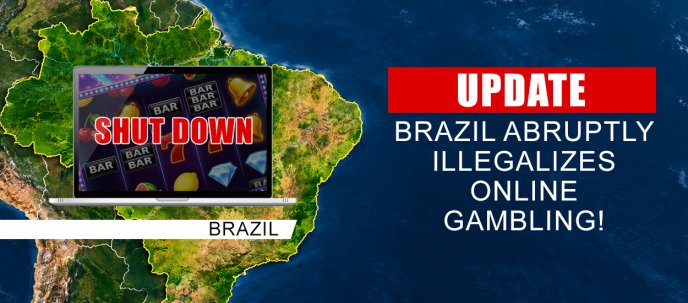
Brazilian President Luiz Inácio Lula da Silva has signed a provisional measure banning fixed-odds betting in Brazil, reversing course on the country’s move to create one of the world’s largest regulated online wagering markets. The decision comes less than two years after Brazil’s licensed betting market officially launched in January 2025.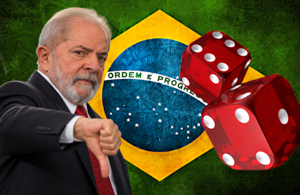 Under the new order, licensed betting operators can no longer accept customer deposits. Bettors have until Monday, October 5 to request withdrawals, and licensed betting websites and apps are scheduled to go offline beginning October 6. It is urgent that Brazilian players contact their sportsbooks and casinos now because all licensed betting websites are scheduled to be blocked by network providers on October 6th. Operators will then be required to return remaining customer balances.
Lula said all of this was necessary because of the impact online gambling has had on Brazilian families, particularly household debt and gambling addiction. The government maintains that regulatory measures designed to protect consumers have not been effective enough.
⚠ BRAZILIAN BETTORS
WITHDRAW YOUR SPORTSBOOK BALANCE BY OCTOBER 5
Balances that aren't withdrawn are supposed to be returned through financial institutions under the government's repayment process. But OSGA recommends withdrawing your available balance directly from your sportsbook now rather than waiting for that process.
🇧🇷 Apostadores brasileiros: Leia nosso guia em português sobre apostas esportivas no Brasil, saques e como proteger seu dinheiro.
Ban Leaves Operators Holding the Bag
The move is especially alarming considering the investment Brazil squeezed out of the international gambling industry. Nearly 90 companies reportedly received licenses to operate, with each paying BRL 30 million — approximately $5.8 million — for the privilege of entering the newly regulated market.
And these aren’t just small, regional betting companies. Brazil’s regulated market attracted many of the biggest names in online gambling, including bet365, Betano, Betfair, BetMGM, Betsson, Sportingbet, Stake and Pinnacle, among a slew of other operators. These companies invested heavily in licensing, marketing, technology and sponsorships to compete in what was expected to become one of the largest regulated betting markets in the world. Now, less than two years after the market opened, those investments are likely down the drain.
Those operators may be able to pursue legal action seeking refunds of licensing fees, investments and potentially lost profits.
Bettors Will Find Other Outlets
The ban could also see the mass exodus of Brazilian bettors return to offshore sportsbooks, which was one of the primary arguments for regulation in the first place! A licensed market gives the government the ability to impose age verification, responsible gambling requirements, self-exclusion programs, advertising restrictions and taxation. An unregulated market provides Brazil with little control over any of those areas.
Industry representatives have repeatedly warned that eliminating licensed sportsbooks will not necessarily eliminate sports betting. Instead, they argue, bettors could simply migrate to unregulated operators.
Economic Impact
There is also a significant financial component. Brazil collected nearly 10 billion reais ($1.95 billion) between tax revenues and licensing fees from regulated betting last year and 2026 showed a 69% increase over the same period from the previous year.  Meanwhile, sportsbooks have become major investors in Brazilian football clubs, with 18 out of the 20 clubs in Série A (Brazil's top-tier league) sponsored by gambling companies. Vasco da Gama signed a historic record-breaking deal with Betfair and Betano secured the sponsorship and title rights to Brazil's top two leagues Série A and Série B.
Permanent Ban Still Needs Approval
The ban is not necessarily permanent. The executive order signed by President Lula takes effect immediately but expires if it is not ratified. Brazil’s Congress will have to approve the measure within 120 days for it to remain in force. While the ban appears to have public support, its timing, just before Brazil’s elections, raises some questions. The ratification process for making this prohibition permanent will face significant pushback from the powerful sports lobby, who stand to lose hundreds of millions of dollars in sponsorship and advertising, and billion-dollar international gambling groups who are basically being told to go home.
Whatever happens next, Brazil has gone from one of the most anticipated regulated gambling markets in the world to perhaps the industry’s biggest cautionary tale — all in less than two years.










Please login or sign-up to add your comment.
Comments (0): Subscribe by Email
There are no comments yet.
<< prev - comments page 1 of 1 - next >>